Let’s be honest: the world’s reality kind of sucks right now. Climate anxiety, content fatigue, economic instability, and an endless stream of bad news have left many of us running on fumes. We’re not just tired—we’re mentally checking out. And in the thick of all this chaos, it’s no wonder we’re craving to be somewhere else.
And surprisingly, brands are the ones building those places.
As a creative response to a culture running on low emotional battery, brands are increasingly adopting escapism in their marketing strategies as a way to disrupt the mundane with immersive, fantastical experiences that offer their customers a much-needed portal out of the everyday chaos.
And frankly, it’s working.
In this article, we’ll dig into the cultural forces fuelling the shift, explore campaigns that have nailed the art of escapism, and share how marketers can strike an authentic balance between fantasy and reality.
The Shift Toward Escapism
Escapism is having a major moment in marketing right now, and it’s not by accident. It’s a cultural response to burnout, anxiety, and a world that feels perpetually on fire.
1. We’re Tired. Really Tired.
We’re living in what’s been dubbed the “burnout generation.” The boundaries between our work and life have all but disappeared, hustle culture is glorified self-destruction, and even downtime feels like it has to be productive. According to Gallup, 41% of employees globally report daily stress. Gen Z tops the list.
And when that stress is compounded by climate change, financial instability, political whiplash, and existential AI dread, people do what they’ve always done when reality becomes unbearable: they escape.
That’s why brands are stepping in with escapist marketing to give people a psychological breather, relief, or a safe space from their stressful reality.
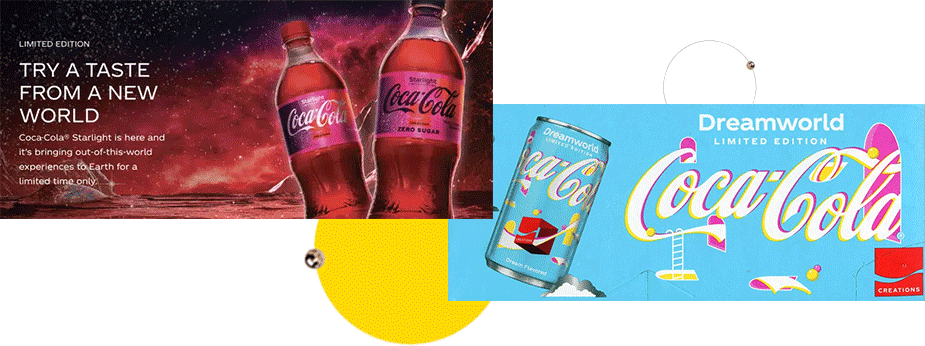
Take Coca-Cola, for example. Their brand has always been synonymous with creating moments of joy, but in recent years, they’ve taken it further by entering the world of immersive marketing with their Coca-Cola Creations series.
By releasing limited-edition products tied to pop culture moments — like Coca-Cola Starlight, a drink inspired by space, or Coca-Cola Dreamworld, a beverage based on a “dream-inspired” flavour — the brand taps into the cultural thirst for something otherworldly. The result? People can escape and imagine a world where soda can taste like stardust, if only for a moment.
2. The Weight of the Scroll
We’ve reached peak screen saturation. With an average person spending over six hours and 38 minutes a day online, every person’s feed is bombarded by content, ads, and updates. Due to this, their attention spans are shrinking, but so is emotional bandwidth.
This overload has made many people desperate for content that doesn’t just distract them but transports them beyond the mundane and feels like a breath of fresh air in an otherwise relentless scroll.
And that is where escapism in marketing, when done right, delivers both. Instead of mere product promotion, brands can use it to curate immersive experiences that cater to their audience’s evolving needs.
For example, Gucci’s dive into the metaverse wasn’t just about hopping on a trend. It was about creating new realities where people could experience the brand in ways that were previously impossible.
Their Gucci Vault project is a prime example of how luxury brands can use digital escapism to create an experience, where avatars can shop, socialize, and immerse themselves in exclusive, high-fashion digital garments.

3. Nostalgia is Trending Hard
Another powerful force driving the rise of escapism in marketing is the growing emotional pull of nostalgia.
In an age where digital fatigue and financial pressures make the present feel overwhelming, younger generations (Gen Z and millennials) are using nostalgia to escape the stress of their daily modern life. Why? Because the past—especially the way we remember it—feels safe, simple, and comforting, offering a break from today’s overwhelming reality. Brands that tap into this emotional connection by weaving nostalgic elements into their storytelling are offering a much-needed escape.
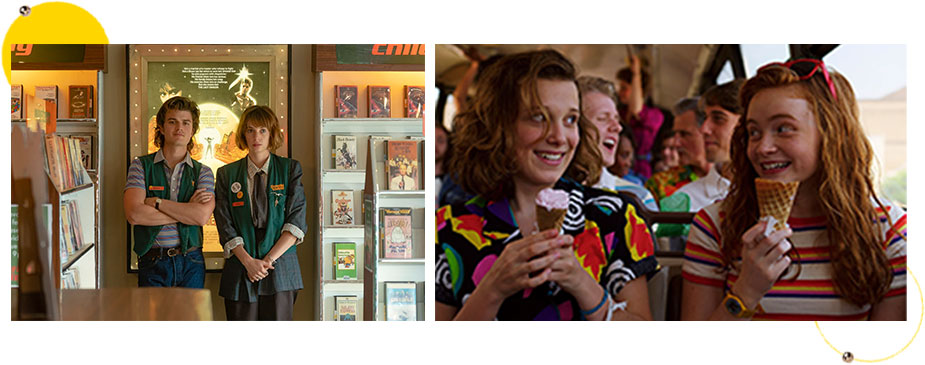
For instance, one of the most effective uses of nostalgia in recent marketing came through Netflix’s Stranger Things series, which reimagined the 80s in a way that tapped directly into the collective emotional connection people have with that era: a time when childhood felt unencumbered by the digital pressures of today.
The show also created a safe space for viewers to relive the adventure, the music, and the emotions of their youth. And for younger audiences who didn’t experience the 80s firsthand, it gave them an immersive escape into an era—one that felt more simple and pure compared to today’s constantly plugged-in world.
The Line Between Immersive Marketing and Inauthentic Marketing
While escapism in marketing is undeniably exciting, it also presents a significant challenge: how do you create something imaginative without losing the trust of your audience?
Consumers today are smart and for them, authenticity is everything. In fact, they can spot disingenuous efforts from a mile away. So, if your escapist marketing strategy escape feels hollow or overly manipulative, audiences will see right through it.
That’s why the most successful escapist, immersive marketing campaigns aren’t just wild fantasies to distract consumers from reality; they’re grounded in emotional honesty, cultural awareness, and the core values of the brand itself, which help people escape their daily stress in a way that actually feels good and memorable.
Here’s how your brand can strike that balance:
1. Start With Your Brand’s Emotional Core
Escapism in your marketing should be an extension of your emotional territory, not a costume you wear for a campaign. For instance, Coca-Cola’s space-inspired drinks work not because they used space themes for novelty; it worked because their campaign is rooted in their longstanding value of bringing joy.
2. Create Interactive, Not Just Immersive, Experiences
People don’t want to be passive observers anymore. The most meaningful escapes come when the audience gets to play a role. Think Gucci Vault: it lets users explore, collect, and participate. In short, escapism in marketing works best when your consumers feel part of the fantasy.
3. Keep It Culturally Relevant
A dreamy world with no connection to real-world tensions, desires, or dreams is just fluff. Great escapism gives people relief from their reality, but not through total denial. Netflix’s Stranger Things, for example, lets us escape to the 80s, but it still explores real themes like fear, friendship, and grief, which makes it emotionally compelling.
4. Don’t Ditch Your Audience’s Intelligence
Consumers can smell hollow gimmicks a mile off. Slapping retro fonts on a marketing campaign or buying a VR headset doesn’t make it escapist—it makes it desperate if it lacks narrative or emotional intention. Give your audience something smart, something layered, something they can get lost in and talk about later.
Bottom Line?
Escapism in marketing isn’t about fabricating reality; it’s about crafting immersive worlds that feel authentic and meaningful. The brands that win at it aren’t simply spinning fantasies—they’re fostering trust, forging connections, and offering a sense of hope in a world that craves it now more than ever.