For decades, UI design patterns have followed a predictable formula: grids, cards, dropdowns, hamburger menus, and static layouts. Open any app or website, and you’ll likely see the same safe, familiar patterns repeated over and over again.
Lately, though, those patterns are starting to crack, and the design industry is buzzing with talk about the death of traditional UI.
And frankly? It’s not just buzz.
AI-powered UI design personalisation, voice-first experiences, and immersive technologies like AR and VR are pushing us away from rigid, static design systems and into an era where interfaces are adaptive, predictive, and in some cases, almost invisible.
But despite these shifts and all the noise around the “death” of classic UI design, we don’t think it’s dying.
We think it’s evolving.
And what’s coming next isn’t the end. It’s the most exciting reinvention UI has seen in decades.
So, What’s Breaking the Traditional UI Design?
1. AI-Powered UI Design Personalisation and Adaptation
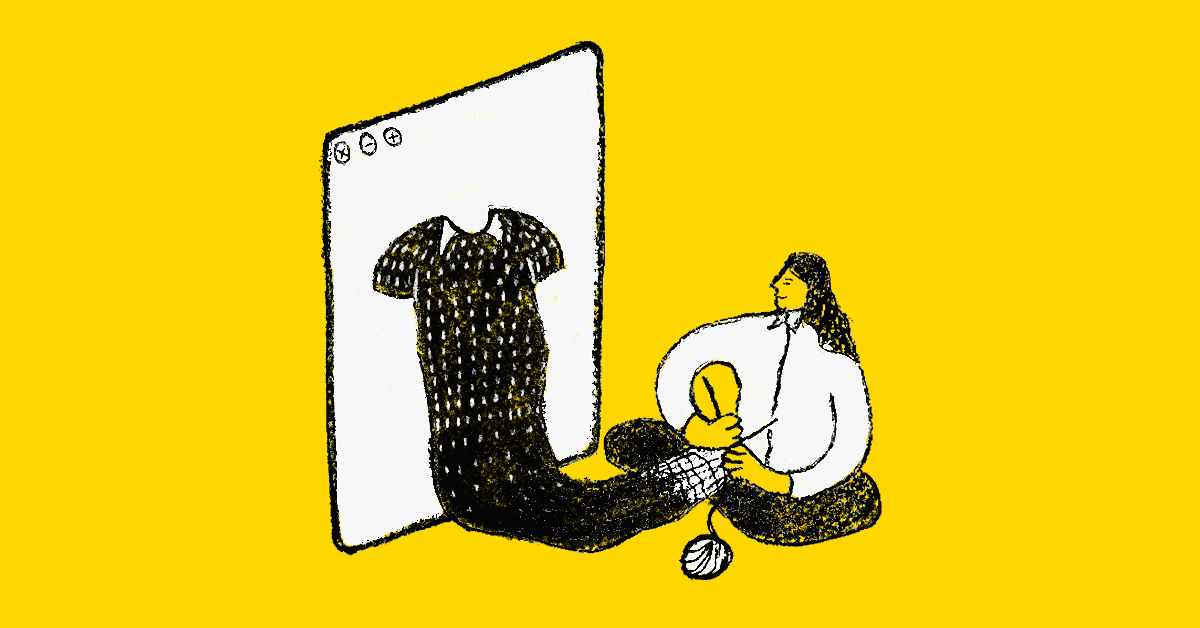
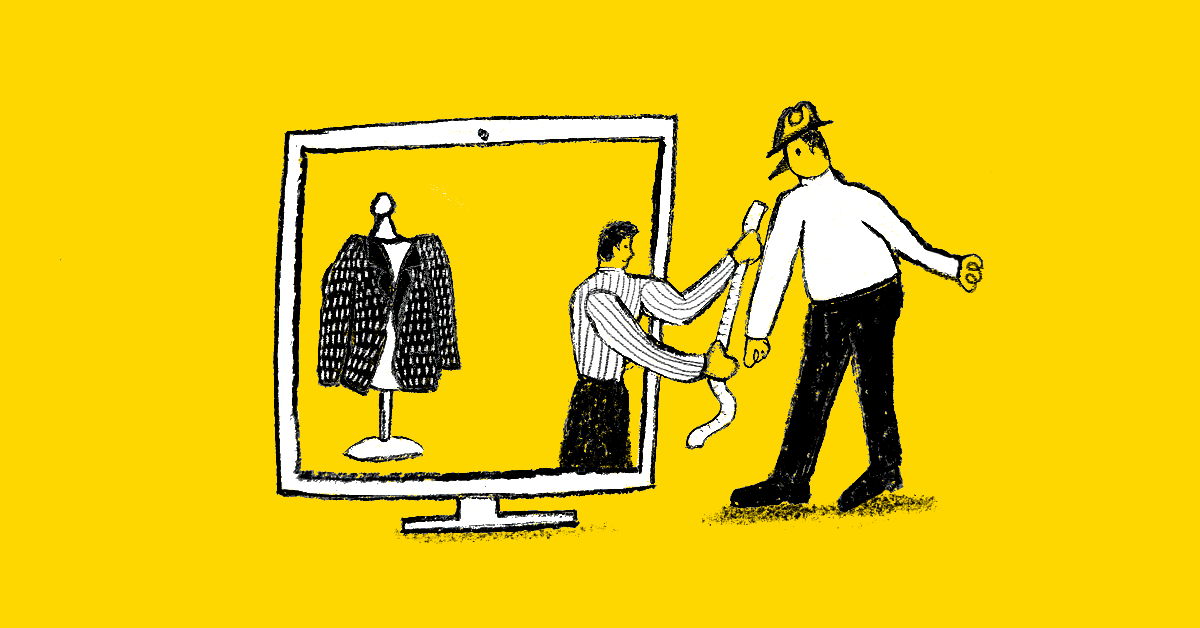
AI-driven personalisation is one of the biggest forces reshaping the UI design landscape and how we experience user interfaces. Instead of one-size-fits-all layouts, today’s interfaces are becoming more fluid and adaptive, tailoring their layouts in real-time based on individual user data, behaviour, and context.
For instance, Spotify’s Discover Weekly and Netflix’s home page are great UI design examples of this shift. They don’t show everyone the same playlist or movie recommendations. Instead, they use AI algorithms in the design process to curate content and adjust UI design patterns dynamically for each user. Their app’s or website’s home feed (layout) changes based on your habits, time of day, mood, listening or watching behaviour, and even your micro-interactions—like what you hover over, skip, rate, or rewatch.

2. The Rise of Invisible Interfaces
As natural language processing and motion tracking evolve, we’re seeing old UI design elements becoming invisible—literally.
Voice-first systems like Siri, Alexa, and Google Assistant have already made us comfortable with interfaces that don’t need visual components or screens. In fact, 71% of users now prefer voice search over typing.
And now, devices like the Humane AI Pin and Rabbit R1 are pushing things further and ushering in a new era of AI UI design. You can speak to these devices, and they do whatever you want (like call someone, book a table, or get an answer) with no taps, swipes, or visible UI.
And that is not all.
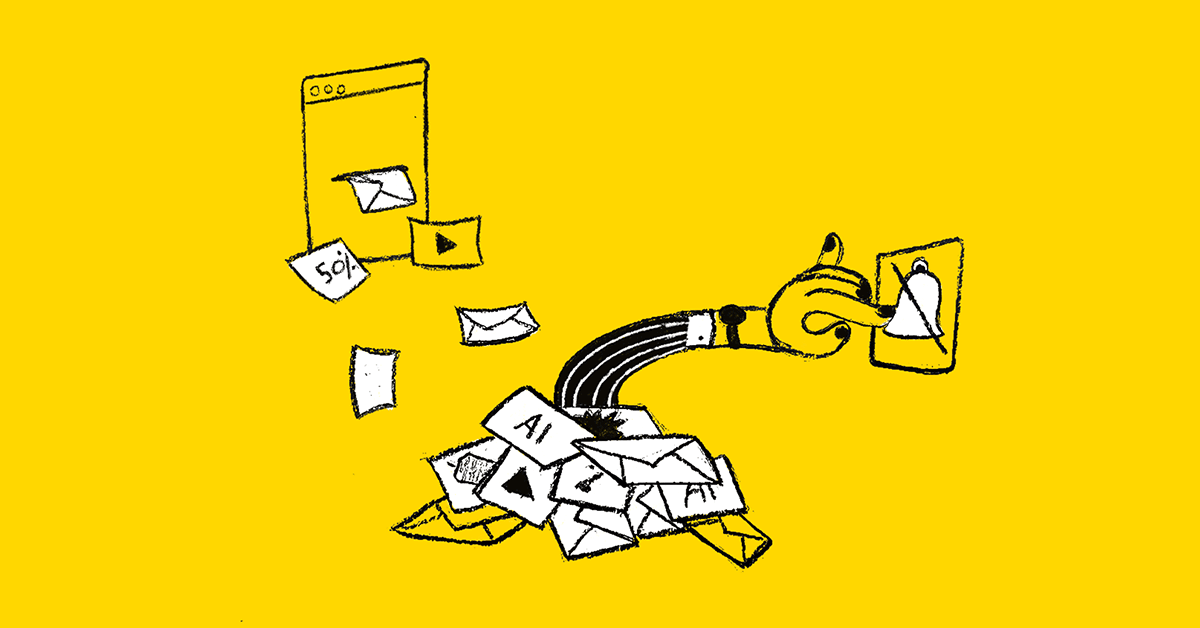
Invisible UI isn’t just about voice. It’s also about actions that happen automatically, without friction or visible cues.
Take Apple Pay’s Express Mode. You hold your phone near a transit turnstile, and it pays—no Face ID, no clicks, no app. The interface is there, but it’s silent, seamless, and almost unnoticeable.
On top of that, gesture-based interfaces, especially on smart TVs (like Samsung Smart TVs) and wearable devices (like Leap Motion), are also evolving in parallel and catching on fast. In fact, the gesture recognition market is projected to reach $161.86 billion by 2033.

3. Spatial Computing and the Rise of Immersive, 3D Interfaces
If invisible UI design is about making interfaces disappear, spatial computing (seen in devices like Apple Vision Pro or Meta Quest) is about breaking them out of the screen entirely.
Spatial computing, which includes augmented reality (AR), virtual reality (VR), and mixed reality (MR), changes how we interact with technology by blending or replacing flat screens with immersive 3D environments.
With AR, digital elements are layered directly onto our physical surroundings. This means that rather than opening an app on a phone, information can appear exactly where you look. For example, a navigation prompt glowing beside the road or a virtual assistant that follows your gaze, all enabling natural, eye- and gesture-driven interactions.
In contrast, VR creates entirely digital worlds, immersing users in environments where interaction is no longer confined to a screen but involves physical movement, hand gestures, and voice commands.

So, Is Traditional UI Dead? Not Quite.
There’s a lot of excitement around new technologies reshaping the UI landscape, but it’s still too early to say that traditional UI design is on its way out. More so, since core UI design principles such as usability, clarity, and accessibility are just as important as ever. So even as interfaces become more adaptive and personalized, they still need to follow these fundamentals to deliver a seamless user experience.
Moreover, not all users are quick to embrace change. A study comparing AI-driven and traditional UI designs found that while AI-driven UI designs are gaining popularity, many users, particularly those aged 31-60, still prefer traditional interfaces.
What does that mean for designers?
- Usability still rules. If your AI assistant misunderstands your request or your AR layout overwhelms the user, you’ve still failed.
- Clarity and accessibility matter more than ever. Invisible interfaces shouldn’t mean incomprehensible ones.
- The visual layer hasn’t disappeared—it’s becoming part of a broader system. Typography, spacing, and colour still matter, but they’re now one piece of the experience, not the whole.
This Is the New Standard for UI Design.
We’re standing at the edge of a major interface evolution: one where the screen is no longer the centre of attention, and interaction doesn’t always mean tapping a button. But that doesn’t mean traditional UI design patterns and principles are obsolete. It means they are being absorbed into something smarter, more ambient, more human.
So, in conclusion, NO, UI design isn’t dying.
But if your brand is still designing like it’s 2015, your relevance might be.